The Genetic, Ecological, and Evolutionary Implications of Inbreeding: A Comprehensive Analysis of Costs, Benefits, and Conservation Strategies
скачать Авторы:
- Muhammad Muzammal - подписаться на статьи автора
- Maria Shafiq - подписаться на статьи автора
- Shafiqua Ishtiaq - подписаться на статьи автора
- Umar Raoon - подписаться на статьи автора
- Mehak Fazal - подписаться на статьи автора
- Murtajiz Hussain - подписаться на статьи автора
- Faria Batool - подписаться на статьи автора
- Pervaiz Ali - подписаться на статьи автора
- Aiman Saeed Khan - подписаться на статьи автора
- Muhammad Kamran Khalid - подписаться на статьи автора
- Muzammil Ahmad Khan - подписаться на статьи автора
Журнал: Social Evolution & History. Volume 25, Number 2 / September 2026 - подписаться на статьи журнала
DOI: https://doi.org/10.30884/seh/2026.02.05
Muhammad Muzammal, 1 Maria Shafiq, 2 Shafiqua Ishtiaq, 1 Umar Raoon, 1 Mehak Fazal,1 Murtajiz Hussain,1 Faria Batool,1
Pervaiz Ali, 1 Aiman Saeed Khan, 1 Muhammad Kamran Khalid, 2 Muzammil Ahmad Khan 1
1 Gomal Centre of Biochemistry and Biotechnology, Gomal University, Dera Ismail Khan, Pakistan
2 Gomal Medical College, Dera Ismail Khan, Pakistan
ABSTRACT
Inbreeding – the mating of closely related individuals – is a most important phenomenon for genetics, ecology, evolution, and even human societies. This review addresses all aspects of the genetic consequences of inbreeding, ecological and evolutionary implications, and conservation biology, and also provides cultural and religious perspectives on inbreeding, as shaped by varying traditions in marriage traditions and genetic outcomes. Genetic results of inbreeding include increased homozygosity, inbreeding depression, and a greater frequency of genetic disorders. Conservation technologies currently engaged include genetic rescue, translocation, and assisted gene flow to oppose inbreeding in endangered species. A wide variety of perspectives on inbreeding is exhibited in various religious and cultural beliefs. For Islam, cousin marriages form part of common practice and culture, with awareness of genetic risks growing. Historically, Christianity prohibited marriages between close kin, while Judaism and Hinduism uphold complex traditions in incorporating cultural practices vis-à-vis genetic concerns. Much new genetic knowledge has now created genetic counseling and premarital screening programs in several communities for health risks due to consanguinity. In conclusion, this review discussed the advantages and disadvantages of inbreeding, depending on the circumstances. Although inbreeding usually brings about disadvantages, it may lead to local adaptations, attachment to a territory, and consolidation of culture.
Keywords: inbreeding, inbreeding depression, genetic rescue, consanguineous marriage, conservation biology, religious perspectives, genetic disorders.
1. INTRODUCTION
Inbreeding is a critical biological process with significant implications for genetics, ecology, and evolution. Mating between closely related individuals increases homozygosity and brings about the expression of recessive alleles. Inbreeding is generally believed to have undesirable consequences in terms of inbreeding depression or low fitness; however, it can also assist evolutionarily and from a conservation perspective. For instance, the process of inbreeding became central to crop and livestock domestication, whereby selective breeding helped fix characters of interest (Adams et al. 2011). By sharp contrast, inbreeding among wild populations, particularly those that are small or isolated, leads to declining population size and a heightened risk of extinction. An understanding of inbreeding is essential to appreciate and address issues related to biodiversity conservation, the management of endangered species, and the control of genetic disorders in populations of humans and animals (Manolio et al. 2009; Varshney et al. 2014).
Inbreeding refers to the mating of individuals who have a recent common ancestor such that the offspring show a higher degree of genetic similarity. The degree of inbreeding may be quantified by the inbreeding coefficient (F) defined as the probability that two alleles at any locus in an individual are identical by descent. For example, given wolves that are siblings mating, their offspring would have an inbreeding coefficient of 0.25, meaning there is a 25 % chance any two alleles are identical by descent. Occasionally, inbreeding occurs naturally among small or isolated populations, while it can be brought about through controlled breeding (Allendorf et al. 2010).
1.2. Historical Context and Early Studies
The earliest investigations into inbreeding were done by Charles Darwin, who noticed the presence of inbreeding in plants and animals and documented its effects therein. In his book, titled The Effects of Cross and Self-Fertilization in the Vegetable Kingdom, published in 1876, Darwin noted the reduced vigor and fertility of self-fertilized plants relative to cross-pollinated plants. Early geneticists such as Gregor Mendel and Sewall Wright added to the understanding of the mechanisms of inbreeding and how much it contributes to the genetic composition of a population. The experiments of Wright on inbreeding coefficients and population structure form the basis of contemporary genetic studies. An instance is Wright's Island Model (1931), which illustrates how genetic drift and inbreeding may lead to genetic differences among populations (Wright 1943). This review looks to answer the following questions: What are the genetic consequences of inbreeding, and how are these expressed in different species? Under what ecological conditions does inbreeding take place, and what are the evolutionary consequences? How can inbreeding be managed in conservation biology to guarantee the survival of endangered species? What are the ethical and practical implications regarding the mitigation of its effects?
2. GENETIC CONSEQUENCES OF INBREEDING
Inbreeding causes more homozygosity, where deleterious recessive genes are more likely to be expressed. In small populations, genetic drift – that is, an unpredictable shift in allele frequencies – further diminishes genetic diversity. The Florida panther (Puma concolor coryi), for example, experienced increased homozygosity with the expression of harmful recessive alleles such as kinked tail and cardiac defects due to small population size (Johnson et al. 2010).
Inbreeding depression is a term used to describe the reduced fitness and viability of offspring due to inbreeding. This condition is a result of the expression of harmful recessive alleles and the elimination of heterozygote advantages. Symptoms of this condition manifest as lower fertility rates, increased mortality rates, and greater susceptibility to diseases. For example, inbred populations of Scandinavian wolves (Canis lupus) show reduced litter size and increased juvenile mortality rates compared with outbred populations (Liberg et al. 2005).
Inbreeding can lead to the accumulation of disorders, such as cystic fibrosis in humans or hip dysplasia in dogs. Such disorders decrease the general fitness of the population, resulting in a drop in population. For instance, the Cheetah (Acinonyx jubatus) has become population-poor due to ancient inbreeding and thus finds itself at an ever-incre-asing risk of diseases, for example, feline infectious peritonitis (O’Brien et al. 1985).
3. INBREEDING AND INFERTILITY IN HUMAN POPULATIONS
Inbreeding, defined as reproduction between genetically related individuals, is a long-standing social and biological phenomenon with significant consequences for human health. One of the most critical implications of inbreeding in human populations is its contribution to infertility – a condition affecting millions worldwide. The genetic basis of this relationship stems from inbreeding's tendency to increase homozygosity across the genome, which raises the likelihood that harmful recessive alleles will be expressed (Peterson et al. 2007; Spotin et al. 2017; Sultana and Mannen 2004; Thoma et al. 2021). When present in homozygous form, many of these recessive genes can impair reproductive processes in both males and females. For instance, in males, inbreeding has been associated with non-obstruc-tive azoospermia (a complete absence of sperm in semen) and severe oligospermia (very low sperm count), often due to genetic mutations that disrupt the Y chromosome or spermatogenesis pathways. In some populations, microdeletions in the AZF (azoospermia factor) regions of the Y chromosome have been found more frequently in men from consanguineous families, leading to defective sperm production and male infertility (Goldstein and Pollock 1997; Plotnikov and Guggenheim 2019; Vander Borght and Wyns 2018).
Women also face elevated reproductive risks in inbred populations. Conditions such as premature ovarian failure, recurrent pregnancy loss, and congenital uterine anomalies are more common in women with a background of consanguineous lineage, often due to inherited mutations in genes involved in hormonal regulation or embryonic development. These genetic defects can also manifest as autosomal recessive disorders that indirectly affect fertility by impairing systemic health. For example, congenital adrenal hyperplasia, a condition more prevalent in consanguineous populations, is known to disrupt normal reproductive development and menstrual function, leading to subfertility or infertility in affected women (Carson and Kallen 2021; O’Flynn, O’Brien et al. 2010; Sokol 2009).
Globally, the impact of consanguinity on infertility is most pronounced in regions where cousin marriages are culturally endorsed and practiced across generations, such as the Middle East, North Africa, and South Asia (Obeagu et al. 2023; Yin et al. 2023). In Pakistan, where the prevalence of cousin marriage exceeds 50 % in some communities, studies have shown significantly higher rates of infertility and perinatal loss among consanguineous couples compared to unrelated pairs. Similar trends have been observed in rural areas of Iran, Egypt, and Saudi Arabia, where limited genetic diversity within isolated populations exacerbates the risk of reproductive complications (Hwang et al. 2010; Pritchard et al. 2000).
The effects of inbreeding on reproductive health also carry important psychosocial and public health implications. Infertility often carries a heavy emotional and social burden, particularly in societies where parenthood is strongly tied to social status, marital stability, and religious expectations. Women, in particular, may face blame, stigma, or ostracism for reproductive failure, even when the underlying cause is genetic or male-related. These social pressures can delay or prevent access to proper medical care, compounding the problem further (Alyahya et al. 2022; Manzoor et al. 2018).
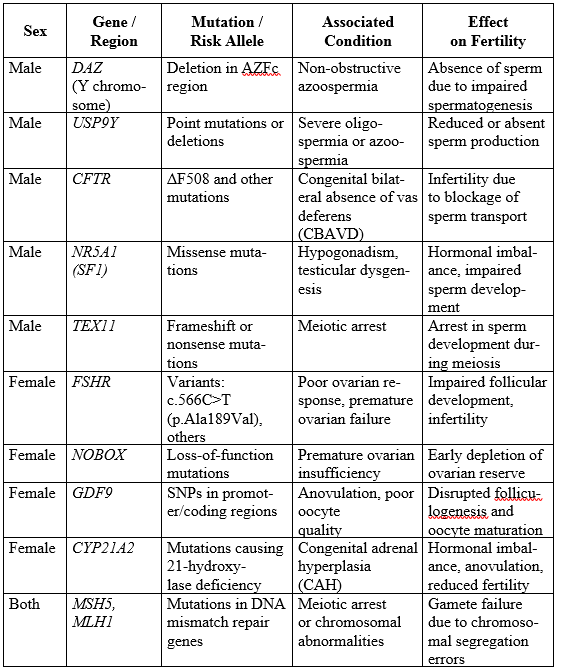
Recognizing the role of inbreeding in infertility underscores the importance of integrating genetic education and counseling into public health strategies, especially in regions with high consanguinity rates (Fareed et al. 2017). Premarital genetic screening, community-based education programs, and culturally sensitive counseling can empower couples to make informed reproductive decisions and help reduce the incidence of inherited infertility disorders (Bobdjonova and Abdurakhmanova 2020; Chaudhry and Arif 2024; Özman and Bakırcıoğlu 2020). Additionally, further research is needed to identify population-specific mutations and to develop personalized medical interventions. Ultimately, understanding the complex relationship between inbreeding and infertility not only advances reproductive medicine but also highlights the evolutionary consequences of limited mate selection and the importance of genetic diversity in maintaining population health. Table 1 shows the risk alleles causing infertility.
Table 1
Risk Alleles and Genetic Mutations Linked to Infertility
in Inbred Populations
4. CASE STUDIES: INBREEDING IN HUMAN POPULATIONS AND DOMESTICATED SPECIES
Studies conducted on isolated communities, such as the Amish or royal families in Europe, highlighted the negative effects of inbreeding on genetic health. For example, deleterious genes expressed recessively were very prevalent in Habsburg royalty because of consanguineous marriage practices (Alvarez et al. 2009).
Inbreeding in livestock and pets has led to the proliferation of genetic disorders, meriting the need for well-considered breeding strategies. For example, inbreeding was held responsible for the incidence of bovine leukocyte adhesion deficiency (BLAD) in dairy cattle (Shuster et al. 1992).
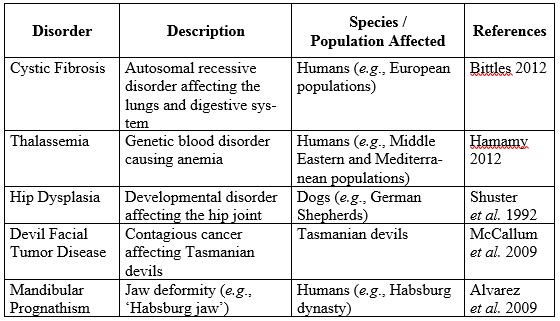
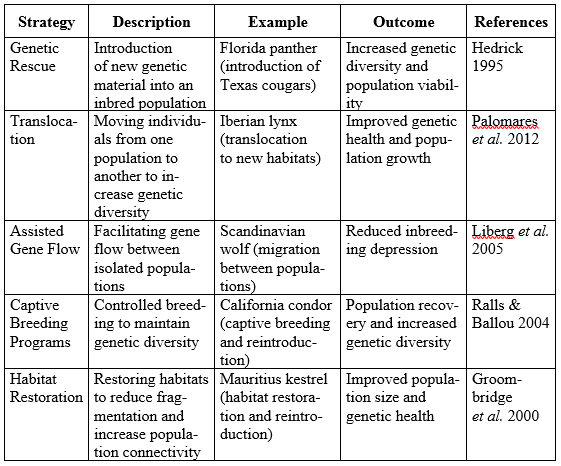
An example of heterosis is when hybrids produced by crossing bestow greater fitness on the progeny. Genetic rescue consists of the introduction of new genetic material into an inbred population as a way to counteract inbreeding depression. The introduction of Texas cougars into the Florida panther population increased the genetic variation and the fitness of the population (Hedrick 1995). Table 2 shows the most common genetic conditions due to inbreeding.
Table 2
Genetic Disorders Associated with Inbreeding
5. COMMON INBREEDING PROBLEMS IN HUMANS
5.1. Royal Families of Europe
The Habsburg dynasty, which ruled parts of Europe for centuries, is a prime example of the consequences of inbreeding. Successive generations of royal intermarriage led to a high frequency of genetic disorders, including the infamous ‘Habsburg jaw’ (mandibular prognathism) and other hereditary diseases. Charles II of Spain suffered from severe health problems and was sterile, possibly due to extensive inbreeding (Peacock et al. 2014; Vilas et al. 2019).
5.2. Isolated Human Populations
The Amish communities in the United States often marry within a closed group due to religious and cultural isolation. This has led to a higher incidence of certain rare genetic disorders, such as Ellis-van Creveld syndrome (dwarfism and polydactyly), among others. Isolation can reduce genetic diversity and increase the prevalence of autosomal recessive diseases.
5.3. Consanguineous Marriages in Certain Cultures
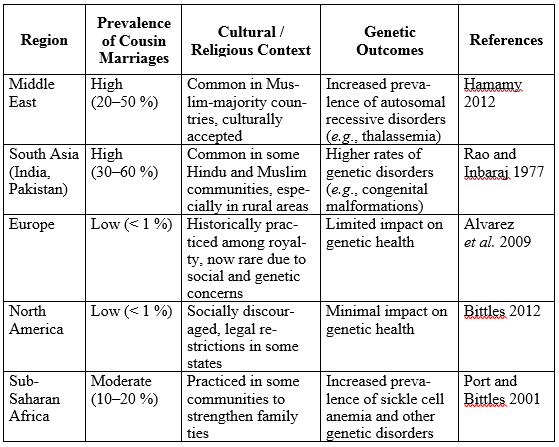
In some parts of the Middle East, North Africa, and South Asia, cousin marriages are relatively common. Studies have shown increased risks of genetic disorders, including congenital heart defects and autosomal recessive diseases, in offspring from these unions. While these practices may have social or economic benefits, they come with increased genetic risks and require public health consideration (Ahmad et al. 2022; Ahmed et al. 2024; Muzammal, Ahmad et al. 2021; Muzammal, Ali et al. 2021).
5.4. The Pingelapese People (Micronesia)
The Pingelapese people of Micronesia are known for an unusually high prevalence of achromatopsia, a rare genetic disorder causing complete color blindness, extreme light sensitivity, and poor visual acuity. This phenomenon is the result of a historical bottleneck following a catastrophic typhoon in the eighteenth century that reduced the island's population to about 20 individuals, one of whom is believed to have carried the recessive gene for the condition. Due to the island's isolation and the founder effect, the gene became concentrated over generations, now affecting roughly 1 in 30 residents – an incidence vastly higher than the global average of 1 in 30,000 (Barris 1997; Winick et al. 1999). Those with achromatopsia are often called ‘night people’ due to their improved night vision, a trait that helps them adapt to the intense sunlight that impairs their vision during the day. The community has culturally adapted to the condition, offering social inclusion and practical accommodations like homemade visors and sunglasses. The case has become a key example in genetics and anthropology, highlighting how isolation and genetic drift can shape human populations (Lowndes et al. 2021; McKyton et al. 2023). It also raises ethical questions regarding intervention, genetic counseling, and the preservation of cultural identity. This rare instance of genetic concentration illustrates the complex interplay between biology, environment, and culture in human adaptation (Sundin et al. 2000).
5.5. Ashkenazi Jewish Population
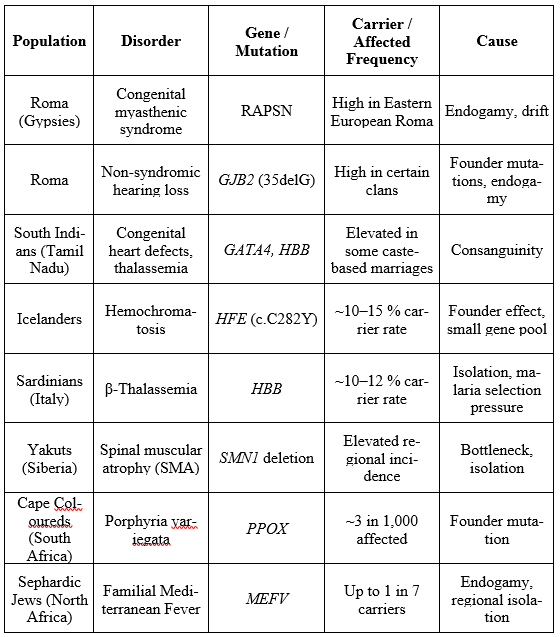
Due to historical population bottlenecks and endogamy, Ashkenazi Jews have a higher carrier frequency for certain genetic disorders like Tay-Sachs disease and Gaucher disease. Community-wide carrier screening programs have dramatically reduced the birth of affected individuals. Targeted genetic interventions can mitigate the consequences of long-term inbreeding (Behar et al. 2004; Guha et al. 2012; Manchanda et al. 2017). Table 3 shows the high-frequency risk alleles in inbred or isolated Human Populations.
Table 3
High-Frequency Risk Alleles in Inbred
or Isolated Human Populations
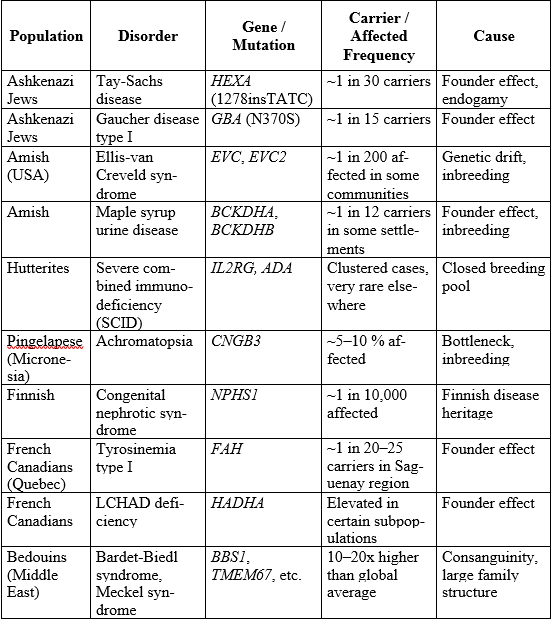
Table 3 (continued)
6. ECOLOGICAL AND EVOLUTIONARY PERSPECTIVES
6.1. Inbreeding in Natural Populations: Prevalence and Patterns
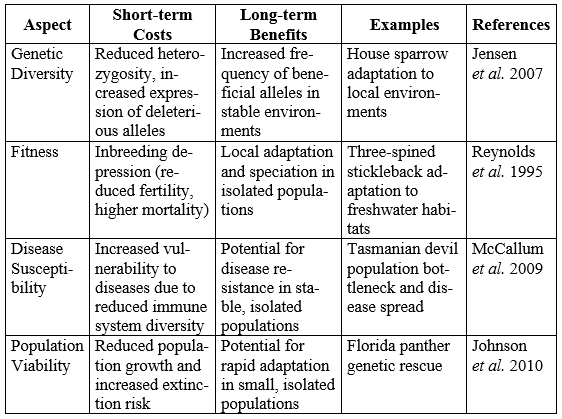
Inbreeding is common among small isolated populations with few options for mating; these include island species or those that have fragmented habitats due to human activities. An example would be the Tasmanian devil (Sarcophilus harrisii), which has undergone a population bottleneck due to inbreeding and the development of transmissible cancers (McCallum et al. 2009).
Inbreeding incidence is dependent on habitat fragmentation, population size, and dispersal ability. For example, among inbreeding species, those that do not possess mobility would be expected to have fewer opportunities to mate. The Iberian lynx (Lynx pardinus) is a perfect example of such a situation. Due to the phenomenon of habitat fragmentation, inbreeding has increased, leading to decreased genetic variability (Palomares et al. 2012).
Inbreeding often bears a short-term cost, but it may confer long-term adaptation benefits by raising the frequency of beneficial alleles in a population. This trade-off is more prominent where local adaptation is beneficial to the population, especially in stable environments. For example, inbred populations of the house sparrow (Passer domesticus) have shown increased adaptation to their local environments (Jensen et al. 2007).
Inbreeding could eventually lead to speciation by promoting reproductive isolation and genetic divergence. It can also contribute to increased local adaptation through increasing the frequency of alleles adapted to particular local environmental conditions. For instance, inbred populations of the three-spined stickleback (Gasterosteus aculeatus) adapted rapidly to freshwater (Reynolds et al. 1995). Evolutionary trade-offs of inbreeding are shown in Table 4.
Table 4
Evolutionary Trade-offs of Inbreeding
6.2. Case Studies: Inbreeding in Endangered Species and Island Populations
Being a historical inbreeder, the cheetah's low genetic variability renders it susceptible to diseases (O’Brien et al. 1985). The Tasmanian devil has undergone several population bottlenecks, which has led to inbreeding and transmission of malignant tumors (McCallum et al. 2009).
6.2.1. Inbreeding in Conservation Biology
Furthermore, small populations are especially prone to inbreeding since they have low levels of genetic variation, resulting in reduced adaptability and an increased chance of extinction. For instance, the Mauritius kestrel (Falco punctatus) experienced a population bottleneck with inbreeding and a subsequent decline in genetic diversity (Groombridge et al. 2000).
Inbreeding is minimized through the careful application of pedigree analysis and genetic monitoring during captive breeding programs. Mate pairing and artificial insemination techniques are employed to assist in the maintenance of genetic diversity. For example, genetic management of the California condor (Gymnogyps californianus) captive breeding program has facilitated increases in both population size and genetic diversity (Ralls and Ballou 2004). Assisted gene flow, which translocates individuals from one population to another for the purpose of introducing genetic material, has successfully been employed in the Florida panther (Hedrick 1995). In this respect, the manipulation of genetic diversity brings up ethical concerns regarding interventions in natural processes and animal welfare (Fraser 2008).
6.2.2. Case Studies: Successes and Failures in Inbreeding
Management
Two well-known examples illustrate contrasting outcomes of genetic rescue efforts. Florida panthers were successfully rescued genetically by introducing Texas cougars in 1995 (Hedrick).
Isle Royale wolves dwindled from inbreeding after a temporary genetic rescue failed (Adams et al. 2011). Table 5 shows the conservation strategies to mitigate inbreeding.
Table 5
Conservation Strategies to Mitigate Inbreeding
7. MITIGATING THE EFFECTS OF INBREEDING
Genetic monitoring tools such as microsatellite analysis and whole-genome sequencing are used to measure inbreeding levels and predict population viability (Frankham 2005). Translocation of individuals and re-establishment of habitats can increase population size and connectivity, thereby reducing inbreeding (Fischer and Lindenmayer 2000). Technologies such as CRISPR and genomic selection have opened up new avenues for the management of genetic diversity, including alleviating inbreeding depression. Habitat conservation, genetic monitoring, and most importantly, the use of assisted gene flow should be prioritized to prevent inbreeding in endangered species (Frankham 2005). Research in the future has to look into further studies regarding the long-term effects of inbreeding, the impacts of epigenetics, and the development of new tools in genetic conservation (Allendorf et al. 2010).
8. THE CONCEPT OF INBREEDING IN DIFFERENT RELIGIONS
Inbreeding or consanguineous marriage has been, in fact, an area of concern and regulation over centuries-old religious traditions. Each religion regards it differently based on the relevant cultural, social, or genetic factors. This segment will analyze the traditions regarding inbreeding under the world's prominent religions, including but not limited to Islam, Christianity, Judaism, and Hinduism.
8.1. Inbreeding in Islam
Islam has set certain rules on the laws of marriage, which include the position on consanguinity. Cousin marriages, especially the ones between first cousins, are quite common in many parts of the Muslim world. The Quran does not expressly forbid cousin marriages; instead, it is usually accepted because of culture and preserving family ties. Islamic scholars, however, stress genetic counseling and awareness of the possible health risks associated with inbreeding. Research conducted on these populations has indicated that consanguinity-associated marriages are linked with higher prevalence rates of genetic disorders like thalassemia and congenital malformations (Hamamy 2012).
8.2. Inbreeding in Christianity
Christianity discourages consanguineous marriages for both religious and social reasons. The Catholic Church, for example, has historically outlawed marriages between close relatives, i.e., first cousins according to 1983 canon law. The rationale is that such unions could lead to moral and genetic deficiencies. The rigor of these prohibitions has, however, fluctuated in space and time across different Christian denominations. There have been occasions when dispensations have been granted to cousin marriages, especially for purposes of political alliance-making among royalty and nobility and keeping wealth within families (Port and Bittles 2001).
8.3. Inbreeding in Judaism
Jewish marriage and kinship rights are esoterically defined within the Torah while further elaborated in the Talmud. While the Torah explicitly chastises certain close-kin marriages, such as those involving siblings or parent-child unions, there is no explicit condemnation of cousin marriages. In fact, marriage between cousins was a widespread practice in Jewish communities all over, especially those in the Middle East and North Africa, where it served to strengthen family ties and preserve culture. This practice has largely become less common among modern Jewish communities, especially those in the West, as awareness of genetic risks has spread (Bittles 1994; ‘Forbidden Relatives: The American Myth of Cousin Marriage’ 1997; Shimony et al. 2009; Treister-Goltzman and Peleg 2019; Zhivotovsky et al. 2001).
8.4. Inbreeding in Hinduism
Traditionally, Hinduism discourages marriages within the immediate family, while endogamy, or marriage within one's group, is usually encouraged. The Manusmriti, one of the ancient texts concerned with Hindu law, lays down regulations about permissible and prohibited types of unions. Hence, while there is no prohibitory injunction on cousin marriages, they are generally uncommon in most Hindu communities. Instead, arranged marriages often occur within the same caste but outside a family to prevent genetic disorders. On the other hand, in parts of India, especially the South, consanguineous marriages are actually quite common, particularly between cross-cousins, for cultural and economic reasons (Rao and Inbaraj 1977).
8.5. Inbreeding in Other Religions and Cultures
Zoroastrianism in antiquity had strongly prescriptive views favoring consanguineous marriage within the nuclear and extended family to sustain blood purity in the family and foster tie-bonding. Such marriages were called Xwedodah and were believed to be beneficial from a spiritual perspective, although they virtually disappeared in the present day (Bittles and Neel 1994; Boyce 1979). Buddhism does not spe-cifically oppose cousin marriages, and cousin marriage practices differ widely across Buddhist cultures. In some populations, cousin marriages are accepted, whereas in others, they are discouraged on sociological and genetic grounds (Fortunato et al. 2006). Historically, marriage traditions have been dissected under the lens of religion. In more recent years, advances in genetics have elucidated the hazards accompanying consanguineous marriages that lead to a higher incidence of autosomal recessive disorders. Several religious communities are beginning to address this concern with genetic counseling and education. Muslim-majority countries are already beginning to start premarital genetic screening programs for the prevention of genetic disorders (Al-Gazali et al. 2006). Table 6 shows the religious perspectives on consanguineous marriage, while Table 7 shows the prevalence of consanguineous marriages in different regions.
Table 6
Religious Perspectives on Consanguineous Marriage
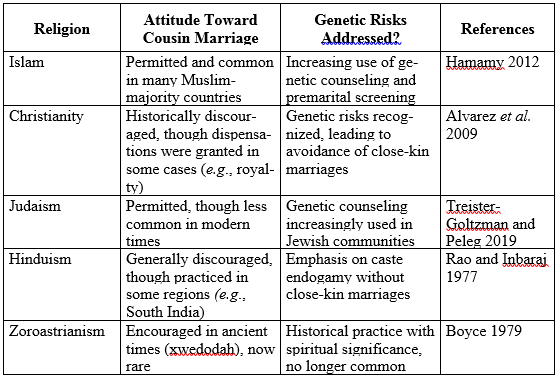
Table 7
Prevalence of Consanguineous Marriages in Different Regions
9. CONCLUSION
The concept of inbreeding is viewed on quite an array of scales with different interpretations depending on the dogmas involved along that spectrum, with social, cultural, and genetic influences at play. For the most part, religions like Islam have historically sanctioned consanguinity, whereas in some sects within Christianity, consanguineous marriages have been condemned. With increased knowledge regarding inbreeding risks through modern genetic research, many religious groups are beginning to institute genetic counseling and educational programs. This comprehensive understanding of religion and genetics is vital in addressing health and social issues related to consanguineous marriages. Future studies should focus on these religions/cultures concerning their influence on marriage patterns on various fronts dealing with genetic diversity and public health. Studies in the future should consider the assessment of genetic counseling programs within religious communities, education in changing marriage practices, and the ethical aspects concerning genetic screening in various cultural contexts.
ACKNOWLEDGMENTS
All lab members.
CONFLICT OF INTEREST
Not declared by the author.
REFERENCES
Adams, J. R., Vucetich, L. M., Hedrick, P. W., Peterson, R. O., and Vucetich, J. A. 2011. Genomic Sweep and Potential Genetic Rescue during Limiting Environmental Conditions in an Isolated Wolf Population. Proceedings of the Royal Society B: Biological Sciences 278 (1723): 3336-44. https://doi.org/10.1098/rspb.2011.0261.
Ahmad, S., Ali, M. Z., Muzammal, M., Mir, F. A., and Khan, M. A. 2022. The Molecular Genetics of Human Appendicular Skeleton. Molecular Genetics and Genomics 297 (5): 1195–1214. https://doi.org/10.1007/s00438-022-01930-1.
Ahmed, I., Muzammal, M., Khan, M. A., Ullah, H., Farid, A., Yasin, M., Khan, J., Alam, K., and Mir, A. 2024. Identification of Four Novel Candidate Genes for Non-syndromic Intellectual Disability in Pakistani Families. Biochemical Genetics 62 (4): 2571–2586. https://doi.org/10.1007/s10528-023-10556-w.
Al-Gazali, L., Hamamy, H., and Al-Arrayad, S. 2006. Genetic Disorders in the Arab World. British Medical Journal 333 (7573): 831–834. https:// doi.org/10.1136/bmj.38982.704931.AE.
Allendorf, F. W., Hohenlohe, P. A., and Luikart, G. 2010. Genomics and the Future of Conservation Genetics. Nature Reviews Genetics 11 (10): 697–709. https://doi.org/10.1038/nrg2844.
Alvarez, G., Ceballos, F. C., and Quinteiro, C. 2009. The Role of Inbreeding in the Extinction of a European Royal Dynasty. PLoS ONE 4 (4): e5174. https://doi.org/10.1371/journal.pone.0005174.
Alyahya, M., Aloraini, T., Al-Harbi, Y., Alsubaie, L., Alswaid, A., Eyaid, W., Mutairi, F., Ababneh, F., Alfadhel, M., and Alfares, A. 2022. Genetic Impact of Non-consanguineous Marriages in Saudi Arabia. Journal of Biochemical and Clinical Genetics 5 (2): 37–42. https://doi.org/10.24911/jbcgenetics/183-1664872492.
Barris, M. C. 1997. The Island of the Colorblind. Book review. Optometry and Vision Science 74 (3): 125. https://doi.org/10.1097/00006324-199703000-00002.
Behar, D. M., Hammer, M. F., Garrigan, D., Villems, R., Bonne-Tamir, B., Richards, M., Gurwitz, D., Rosengarten, D., Kaplan, M., Della Pergola, S., Quintana-Murci, L., and Skorecki, K. 2004. MtDNA Evidence for a Genetic Bottleneck in the Early History of the Ashkenazi Jewish Population. European Journal of Human Genetics 12 (5): 355–364. https:// doi.org/10.1038/sj.ejhg.5201156.
Bittles, A. H. 1994. The Role and Significance of Consanguinity as a Demographic Variable. Population and Development Review 20 (3): 561–584. https://doi.org/10.2307/2137601.
Bittles, A. H. 2012. Consanguinity in Context. Cambridge: Cambridge University Press. https://doi.org/10.1017/cbo9781139015844.015.
Bittles, A. H., and Neel, J. V. 1994. The Costs of Human Inbreeding and Their Implications for Variations at the DNA level. Nature Genetics 8 (2). https://doi.org/10.1038/ng1094-117.
Bobdjonova, O. B., and Abdurakhmanova, F. M. 2020. Consanguineous Marriage as Socio-Medical Problem. I. P. Pavlov Russian Medical Biological Herald 28 (2): 249–258. https://doi.org/10.23888/PAVLOVJ2020282249-258.
Boyce, M. 1979. Zoroastrians, Their Religious Beliefs and Practices. Library of Religious Beliefs and Practices. London: Routledge & Kegan Paul.
Carson, S. A., and Kallen, A. N. 2021. Diagnosis and Management of Infertility: A Review. JAMA (Journal of the American Medical Association) 326 (1): 65–76. https://doi.org/10.1001/jama.2021.4788.
Chaudhry, T., and Arif, R. 2024. The Impact of Consanguineous Marriage on Children's Human Capital in Pakistan. Journal of South Asian Development 19 (1): 112–137. https://doi.org/10.1177/09731741231200380.
Fareed, M., Kaisar Ahmad, M., Azeem Anwar, M., and Afzal, M. 2017. Impact of Consanguineous Marriages and Degrees of Inbreeding on Fertility, Child Mortality, Secondary Sex Ratio, Selection Intensity, and Genetic Load: A Cross-Sectional Study from Northern India. Pediatric Research 81 (1): 18–26. https://doi.org/10.1038/pr.2016.177.
Fischer, J., and Lindenmayer, D. B. 2000. An Assessment of the Published Results of Animal Relocations. Biological Conservation 96 (1): 1–11. https://doi.org/10.1016/S0006-3207(00)00048-3.
Forbidden Relatives: The American Myth of Cousin Marriage. 1997. Choice Reviews Online 34 (09): https://doi.org/10.5860/choice.34-5171.
Fortunato, L., Holden, C., and Mace, R. 2006. From Bridewealth to Dowry? Human Nature 17 (4): 355–376. https://doi.org/10.1007/s12110-006-1000-4.
Frankham, R. 2005. Genetics and Extinction. Biological Conservation 126 (2): 131–140. https://doi.org/10.1016/j.biocon.2005.05.002.
Fraser, D. 2008. Understanding Animal Welfare. Acta Veterinaria Scandinavica 50 (SUPPL. 1): S1. https://doi.org/10.1186/1751-0147-50-S1-S1.
Goldstein, D. B., and Pollock, D. D. 1997. Launching Microsatellites: A Review of Mutation Processes and Methods of Phylogenetic Inference. Journal of Heredity 88 (5): 335–342. https://doi.org/10.1093/oxfordjournals.jhered.a023114.
Groombridge, J. J., Jones, C. G., Bruford, M. W., and Nichols, R. A. 2000. Conservation Biology – ‘Ghost’ Alleles of the Mauritius Kestrel. Nature 403 (6770): 616. https://doi.org/10.1038/35001148.
Guha, S., Rosenfeld, J. A., Malhotra, A. K., Lee, A. T., Gregersen, P. K., Kane, J. M., Pe’er, I., Darvasi, A., and Lencz, T. 2012. Implications for Health and Disease in the Genetic Signature of the Ashkenazi Jewish Population. Genome Biology 13 (1): R2. https://doi.org/10.1186/gb-2012-13-1-r2.
Hamamy, H. 2012. Consanguineous Marriages Preconception Consultation in Primary Health Care Settings. Journal of Community Genetics 3 (3): 185–192. https://doi.org/10.1007/s12687-011-0072-y.
Hedrick, P. W. 1995. Gene Flow and Genetic Restoration: The Florida Panther as a Case Study. Conservation Biology 9: 996–1007. https://doi.org/10.1046/j.1523-1739.1995.9050988.x-i1.
Hwang, K., Yatsenko, A. N., Jorgez, C. J., Mukherjee, S., Nalam, R. L., Matzuk, M. M., and Lamb, D. J. 2010. Mendelian Genetics of Male Infertility. Annals of the New York Academy of Sciences 1214: E1–E17. https:// doi.org/10.1111/j.1749-6632.2010.05917.x.
Jensen, H., Bremset, E. M., Ringsby, T. H., and Sæther, B. E. 2007. Multilocus Heterozygosity and Inbreeding Depression in an Insular House Sparrow Metapopulation. Molecular Ecology 16: 4066–4078. https://doi.org/10.1111/j.1365-294X.2007.03452.x.
Johnson, W. E., Onorato, D. P., Roelke, M. E., Land, E. D., Cunningham, M., Belden, R. C., McBride, R., Jansen, D., Lotz, M., Shindle, D., Howard, J. G., Wildt, D. E., Penfold, L. M., Hostetler, J. A., Oli, M. K., and O’Brien, S. J. 2010. Genetic Restoration of the Florida Panther. Science 329 (5999): 1641–1645. https://doi.org/10.1126/science.1192891.
Liberg, O., Andrén, H., Pedersen, H. C., Sand, H., Sejberg, D., Wabakken, R., Åkesson, M., and Bensch, S. 2005. Severe Inbreeding Depression in a Wild Wolf (Canis lupus) Population. Biology Letters 1 (1): 17–20. https:// doi.org/10.1098/rsbl.2004.0266.
Lowndes, R., Molz, B., Warriner, L., Herbik, A., de Best, P. B., Raz, N., Gouws, A., Ahmadi, K., McLean, R. J., Gottlob, I., Kohl, S., Choritz, L., Maguire, J., Kanowski, M., Käsmann-Kellner, B., Wieland, I., Banin, E., Levin, N., Hoffmann, M. B., … Baseler, H. A. 2021. Structural Differences across Multiple Visual Cortical Regions in the Absence of Cone Function in Congenital Achromatopsia. Frontiers in Neuroscience 15: 718958. https://doi.org/10.3389/fnins.2021.718958.
Manchanda, R., Patel, S., Antoniou, A. C., Levy-Lahad, E., Turnbull, C., Evans, D. G., Hopper, J. L., Macinnis, R. J., Menon, U., Jacobs, I., and Legood, R. 2017. Cost-Effectiveness of Population Based BRCA Testing with Varying Ashkenazi Jewish Ancestry. American Journal of Obstetrics and Gynecology 217 (5): 578.e1–578.e12. https://doi.org/10.1016/j.ajog.2017.06.038.
Manolio, T. A., Collins, F. S., Cox, N. J., Goldstein, D. B., Hindorff, L. A., Hunter, D. J., McCarthy, M. I., Ramos, E. M., Cardon, L. R., Chakravarti, A., Cho, J. H., Guttmacher, A. E., Kong, A., Kruglyak, L., Mardis, E., Rotimi, C. N., Slatkin, M., Valle, D., Whittemore, A. S., … Visscher, P. M. 2009. Finding the Missing Heritability of Complex Diseases. Nature 461 (7265): 747–753. https://doi.org/10.1038/nature08494.
Manzoor, R., Imran, W., Murtaza Maken, A., and Hasan Syed, T. 2018. Consanguineous Marriages: Effects on Pregnancy Outcomes in Pakistan. Journal of Development Policy, Research & Practice (JoDPRP) 2 (1): 78–105. https://doi.org/10.59926/jodprp.vol02/06.
McCallum, H., Jones, M., Hawkins, C., Hamede, R., Lachish, S., Sinn, D. L., Beeton, N., and Lazenby, B. 2009. Transmission Dynamics of Tasmanian Devil Facial Tumor Disease may Lead to Disease-Induced Extinction. Ecology 90 (12). https://doi.org/10.1890/08-1763.1.
McKyton, A., Marks Ohana, D., Nahmany, E., Banin, E., and Levin, N. 2023. Seeing Color Following Gene Augmentation Therapy in Achromatopsia. Current Biology 33 (16): p3489–3494. https://doi.org/10.1016/j.cub.2023.06.041.
Muzammal, M., Ahmad, S., Ali, M. Z., and Khan, M. A. 2021. Alopecia-mental Retardation Syndrome: Molecular Genetics of a Rare Neuro-Dermal Disorder. Annals of Human Genetics 85 (5): 147−154. https:// doi.org/10.1111/ahg.12425.
Muzammal, M., Ali, M. Z., Ahmad, S., Huma, S., Rizwan, Ahmad, S., Abbasi, A. A., Khan, S., and Khan, M. A. 2021. The Molecular Genetics of UV-Sensitive Syndrome: A Rare Dermal Anomaly. Journal of the Pakistan Medical Association 71 (10): 2391–2396. https://doi.org/10.47391/JPMA.03-476.
Obeagu, E. I., Njar, V. E., and Obeagu, G. U. 2023. Infertility: Prevalence and Consequences. International Journal of Current Research in Chemistry and Pharmaceutical Sciences 10 (7): 43–50.
O’Brien, S. J., Roelke, M. E., Marker, L., Newman, A., Winkler, C. A., Meltzer, D., Colly, L., Evermann, J. F., Bush, M., and Wildt, D. E. 1985. Genetic Basis for Species Vulnerability in the Cheetah. Science 227 (4693): 1428–1434. https://doi.org/10.1126/science.2983425.
O’Flynn O’Brien, K. L., Varghese, A. C., and Agarwal, A. 2010. The Genetic Causes of Male Factor Infertility: A Review. Fertility and Sterility 93 (1): 1–12. https://doi.org/10.1016/j.fertnstert.2009.10.045.
Özman, O., and Bakırcıoğlu, M. E. 2020. Clinical Impact of Parental Consanguineous Marriage in Idiopathic Nonobstructive Azoospermia. F and S Reports 1 (3): 209–212. https://doi.org/10.1016/j.xfre.2020.07.002.
Palomares, F., Godoy, J. A., López-Bao, J. V., Rodríguez, A., Roques, S., Casas-Marce, M., Revilla, E., and Delibes, M. 2012. Possible Extinction Vortex for a Population of Iberian Lynx on the Verge of Extirpation. Conservation Biology 26 (4): 689–97. https://doi.org/10.1111/j.1523-17 39.2012.01870.x.
Peacock, Z. S., Klein, K. P., Mulliken, J. B., and Kaban, L. B. 2014. The Habsburg Jaw-Re-examined. American Journal of Medical Genetics, Part A, 164 (9): 2263–2269. https://doi.org/10.1002/ajmg.a.36639.
Peterson, B. D., Gold, L., and Feingold, T. 2007. The Experience and Influence of Infertility: Considerations for Couple Counselors. The Family Journal 15 (3): 251–257. https://doi.org/10.1177/1066480707301365.
Plotnikov, D., and Guggenheim, J. A. 2019. Mendelian Randomisation and the Goal of Inferring Causation from Observational Studies in the Vision Sciences. Ophthalmic and Physiological Optics 39 (1): 11–25. https://doi. org/10.1111/opo.12596.
Port, K., and Bittles, A. H. 2001. A Population-Based Estimate of the Prevalence of Consanguineous Marriage in Western Australia. Community Genetics 4 (2): 97–101. https://doi.org/10.1159/000051166.
Pritchard, J. K., Stephens, M., and Donnelly, P. 2000. Inference of Population Structure Using Multilocus Genotype Data. Genetics 155 (2): 945–959. https://doi.org/10.1093/genetics/155.2.945.
Ralls, K., and Ballou, J. D. 2004. Genetic Status and Management of California Condors. Condor 106 (2): 215–228. https://doi.org/10.1650/7348.
Rao, P. S. S., and Inbaraj, S. G. 1977. Inbreeding in Tamil Nadu, South India. Social Biology 24 (4): 281–288. https://doi.org/10.1080/19485565.1977.9988298.
Reynolds, J. D., Bell, M. A., and Foster, S. A. 1995. The Evolutionary Biology of the Threespine Stickleback. The Journal of Animal Ecology 64 (3): 418–419. https://doi.org/10.2307/5902.
Shimony, A., Afawi, Z., Asher, T., Mahajnah, M., and Shorer, Z. 2009. Epidemiological Characteristics of Febrile Seizures – Comparing between Bedouin and Jews in the Southern part of Israel. Seizure 18 (1): 26–29. https://doi.org/10.1016/j.seizure.2008.05.011.
Shuster, D. E., Kehrli, M. E., Ackermann, M. R., and Gilbert, R. O. 1992. Identification and Prevalence of a Genetic Defect that Causes Leukocyte Adhesion Deficiency in Holstein Cattle. Proceedings of the National Academy of Sciences of the United States of America 89 (19): 9225–9229. https://doi.org/10.1073/pnas.89.19.9225.
Sokol, R. Z. 2009. Endocrinology of Male Infertility: Evaluation and Treatment. Seminars in Reproductive Medicine 27 (2): 149–158. https://doi.org/10.1055/s-0029-1202303.
Spotin, A., Mahami-Oskouei, M., Harandi, M. F., Baratchian, M., Bordbar, A., Ahmadpour, E., and Ebrahimi, S. 2017. Genetic Variability of Echinococcus Granulosus Complex in Various Geographical Populations of Iran Inferred by Mitochondrial DNA Sequences. Acta Tropica 165: 10–16. https://doi.org/10.1016/j.actatropica.2016.03.002.
Sultana, S., and Mannen, H. 2004. Polymorphism and Evolutionary Profile of Mitochondrial DNA Control Region Inferred from the Sequences of Pakistani Goats. Animal Science Journal 75 (4): 303–309. https://doi.org/10. 1111/j.1740-0929.2004.00190.x.
Sundin, O. H., Yang, J. M., Li, Y., Zhu, D., Hurd, J. N., Mitchell, T. N., Silva, E. D., and Maumenee, I. H. 2000. Genetic Basis of Total Colourblindness among the Pingelapese Islanders. Nature Genetics 25 (3): 289–293. https://doi.org/10.1038/77162.
Thoma, M., Fledderjohann, J., Cox, C., and Kantum Adageba, R. 2021. Biological and Social Aspects of Human Infertility: A Global Perspective. Oxford Research Encyclopedia of Global Public Health. https://doi.org/10.1093/acrefore/9780190632366.013.184.
Treister-Goltzman, Y., and Peleg, R. 2019. Caution is Needed in Interpreting Hemoglobin A1c Levels in the Muslim Bedouin Population of Southern Israel. Israel Medical Association Journal 21 (8): 546–551.
Vander Borght, M., and Wyns, C. 2018. Fertility and Infertility: Definition and Epidemiology. Clinical Biochemistry 62: 2–10. https://doi.org/10.1016/j.clinbiochem.2018.03.012.
Varshney, R. K., Terauchi, R., and McCouch, S. R. 2014. Harvesting the Promising Fruits of Genomics: Applying Genome Sequencing Technologies to Crop Breeding. PLoS Biology 12 (6): e1001883. https://doi.org/10.1371/journal.pbio.1001883.
Vilas, R., Ceballos, F. C., Al-Soufi, L., González-García, R., Moreno, C., Moreno, M., Villanueva, L., Ruiz, L., Mateos, J., González, D., Ruiz, J., Cinza, A., Monje, F., and Álvarez, G. 2019. Is the ‘Habsburg Jaw’ Related to Inbreeding? Annals of Human Biology 46 (7–8): 553–561. https:// doi.org/10.1080/03014460.2019.1687752.
Winick, J. D., Blundell, M. L., Galke, B. L., Salam, A. A., Leal, S. M., and Karayiorgou, M. 1999. Homozygosity Mapping of the a Chromatopsia Locus in the Pingelapese. American Journal of Human Genetics 64 (6): 1679–1685. https://doi.org/10.1086/302423.
Wright, S. 1943. Isolation by Distance. Genetics 28 (2): 114–138. https://doi.org/10.1093/genetics/28.2.114.
Yin, M. X. C., Chen, X. Y., Shen, X. L., Lin, H. D., Xi, H. T., and Qiu, L. 2023. Illness Anxiety, Infertility Stress, Resilience and Thyroid-Stimula-ting Hormone among Infertile People Undergoing ART Treatment in China. Psychology and Health 40 (2): 217–230. https://doi.org/10.1080/08870446.2023.2214161.
Zhivotovsky, L. A., Ahmed, S., Wang, W., and Bittles, A. H. 2001. The Forensic DNA Implications of Genetic Differentiation between Endogamous Communities. Forensic Science International 119 (3): 269–272. https:// doi.org/10.1016/S0379-0738(00)00442-4.
Размещено в разделах